📍 Bay of Fires 火焰灣|紅岩海岸奇景與純白沙灘的夢幻組合
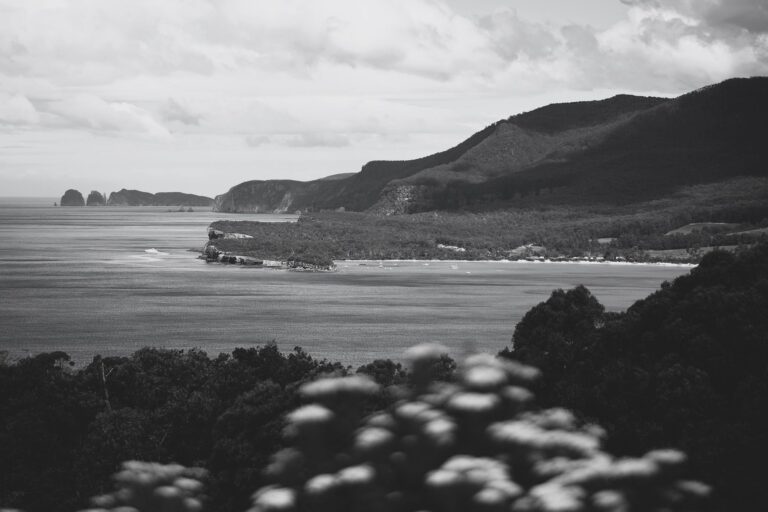
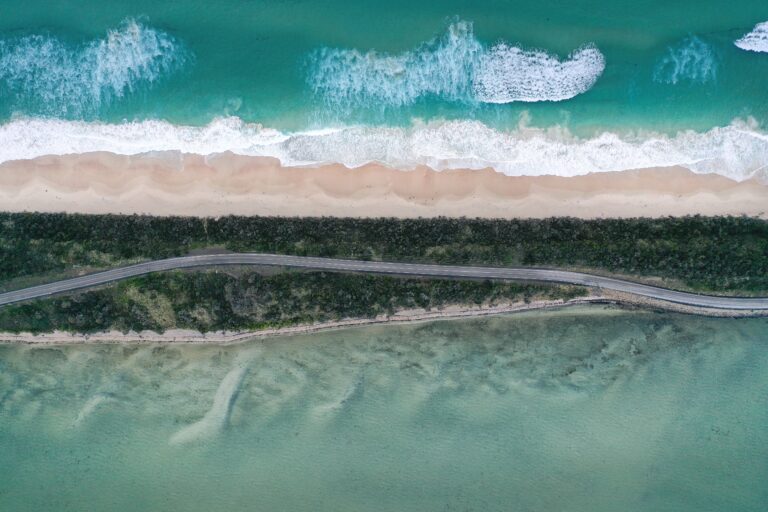
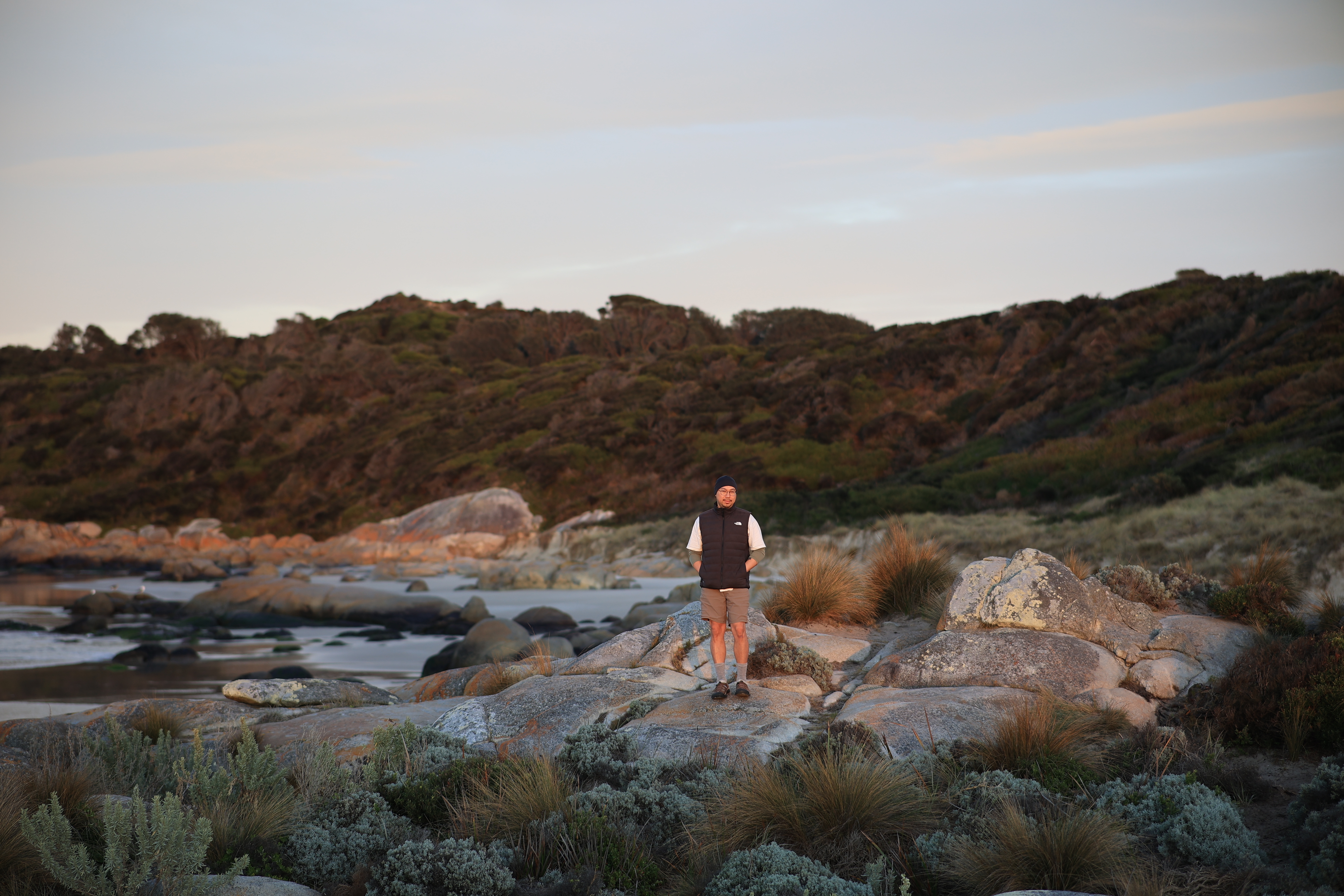
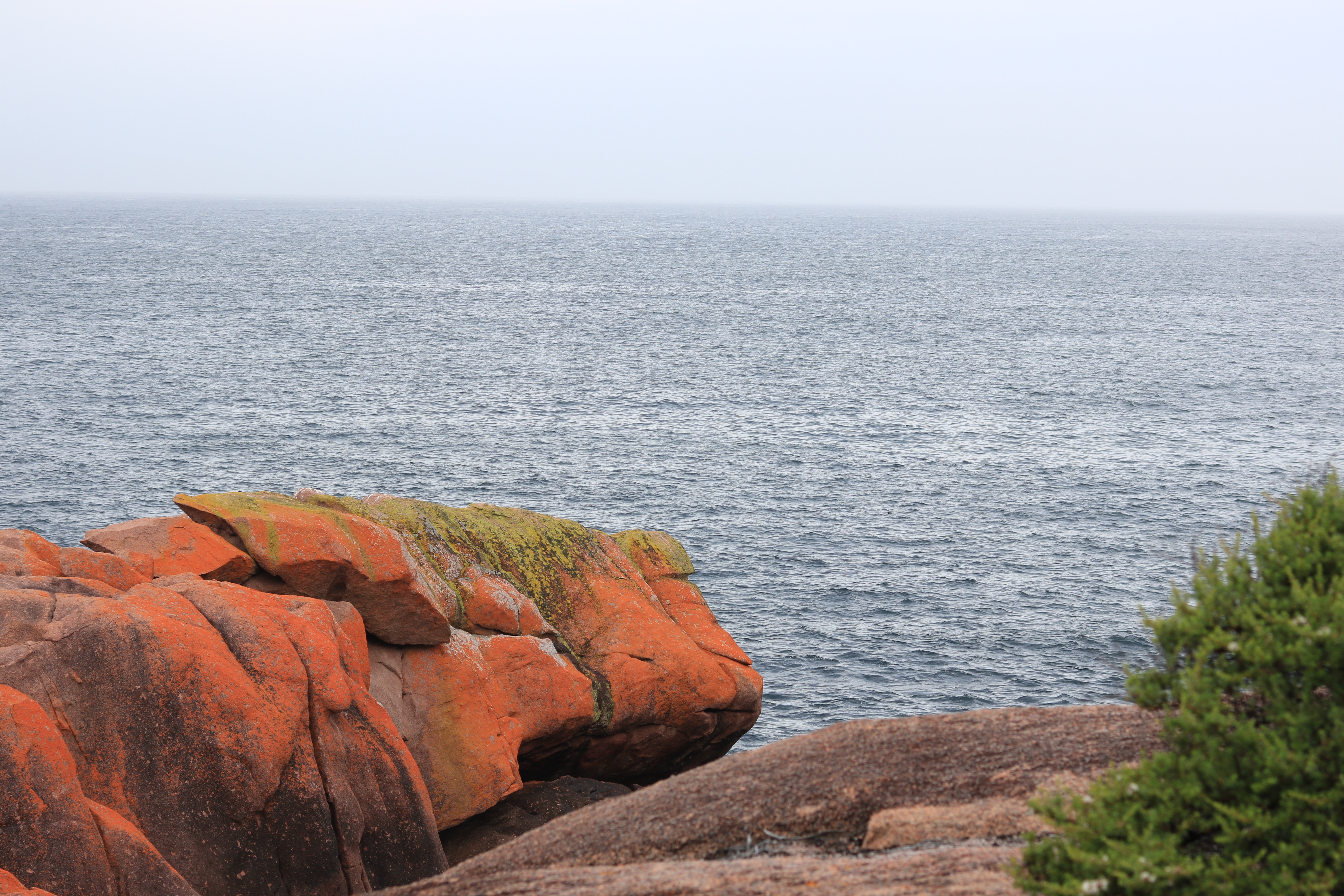
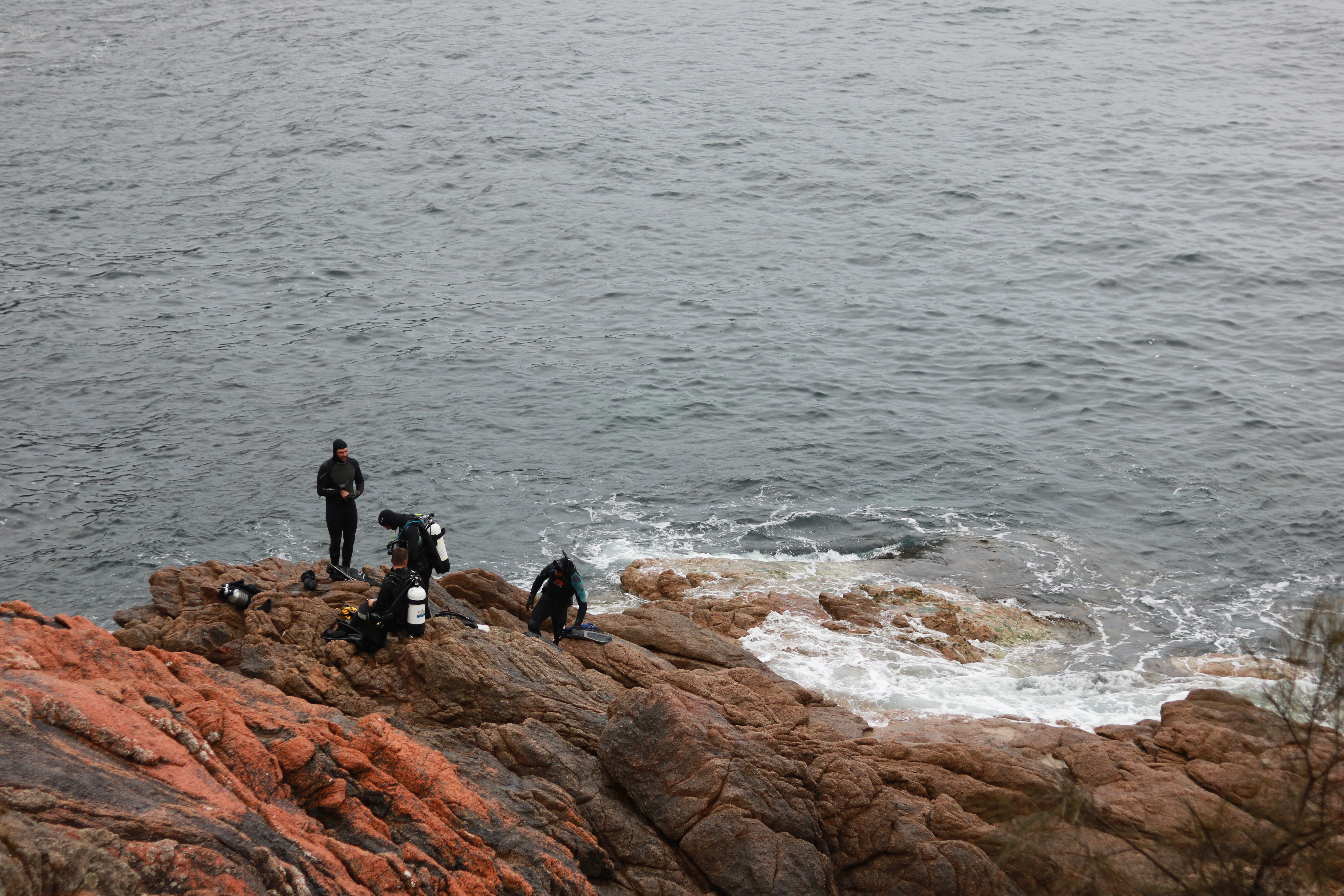
走進塔斯馬尼亞東北角的隱藏秘境 —— Bay of Fires(火焰灣),彷彿踏入一幅天然畫作。沿岸佈滿火紅色的大石頭,與潔白細緻的沙灘和清澈碧藍的海水形成強烈對比,令人驚豔。
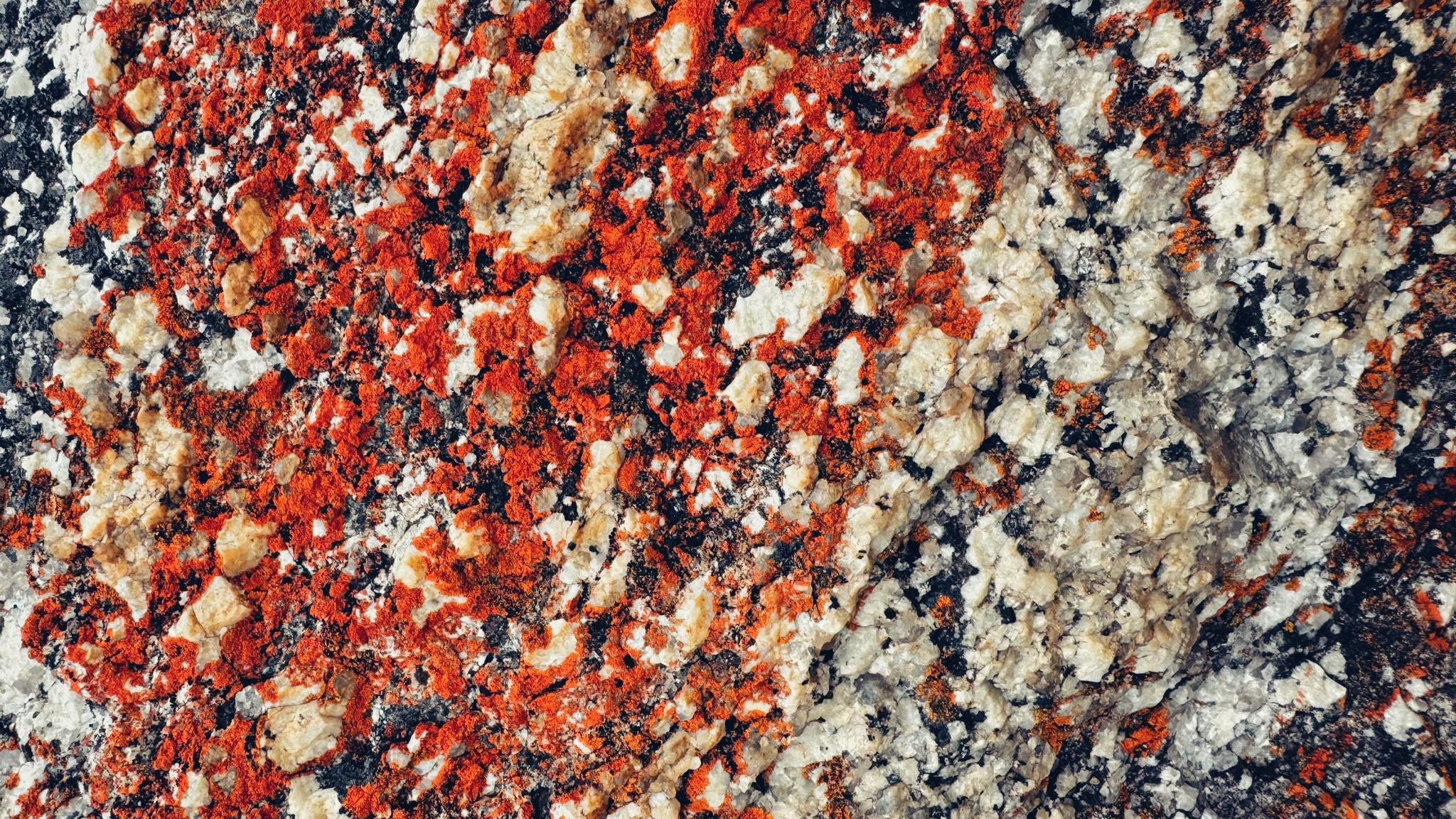
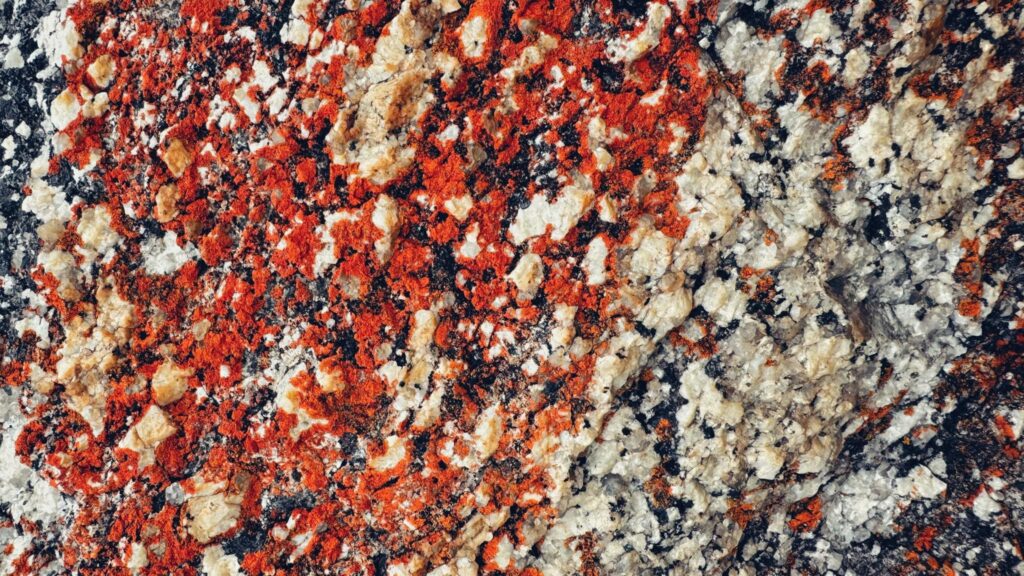
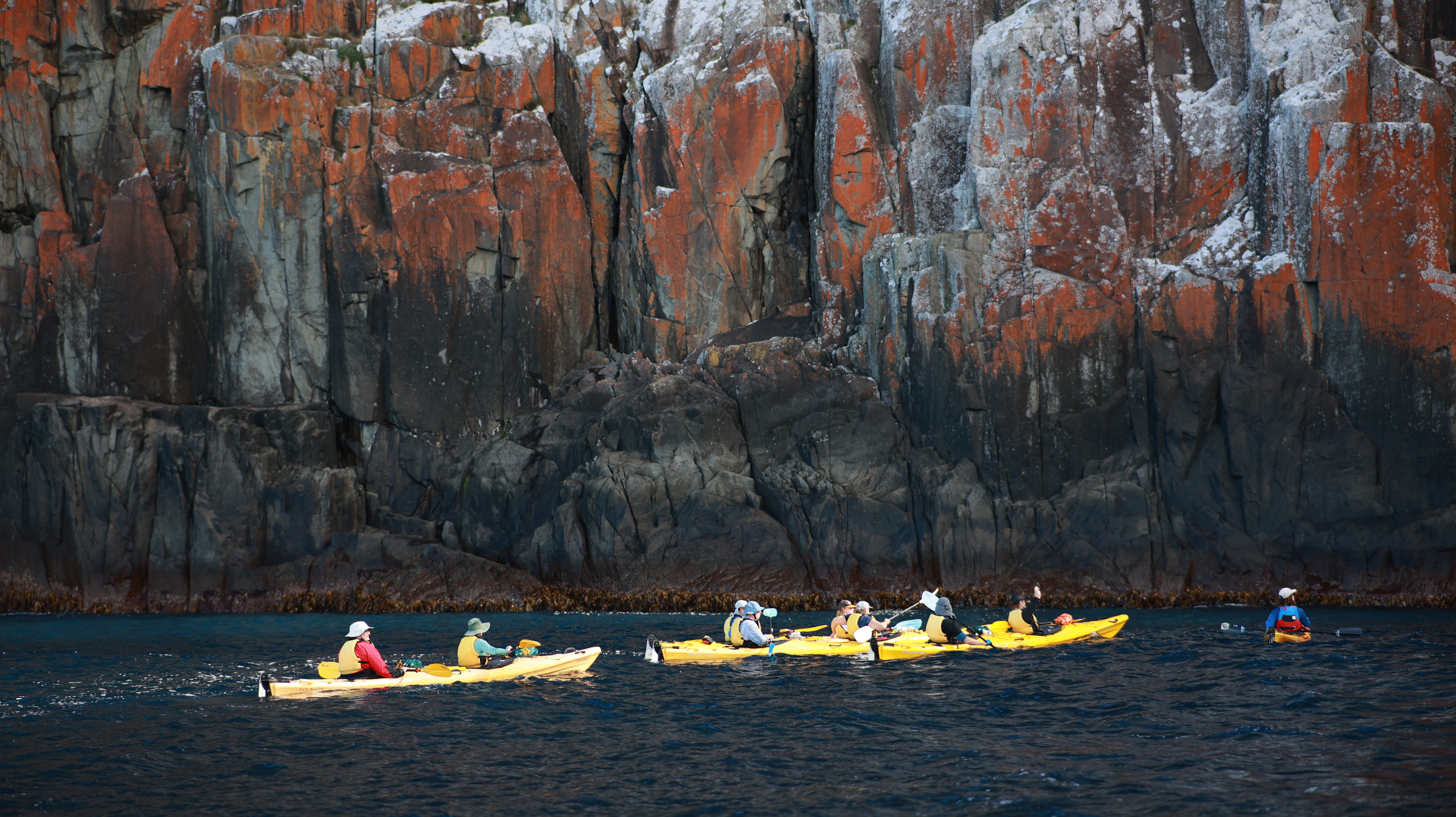
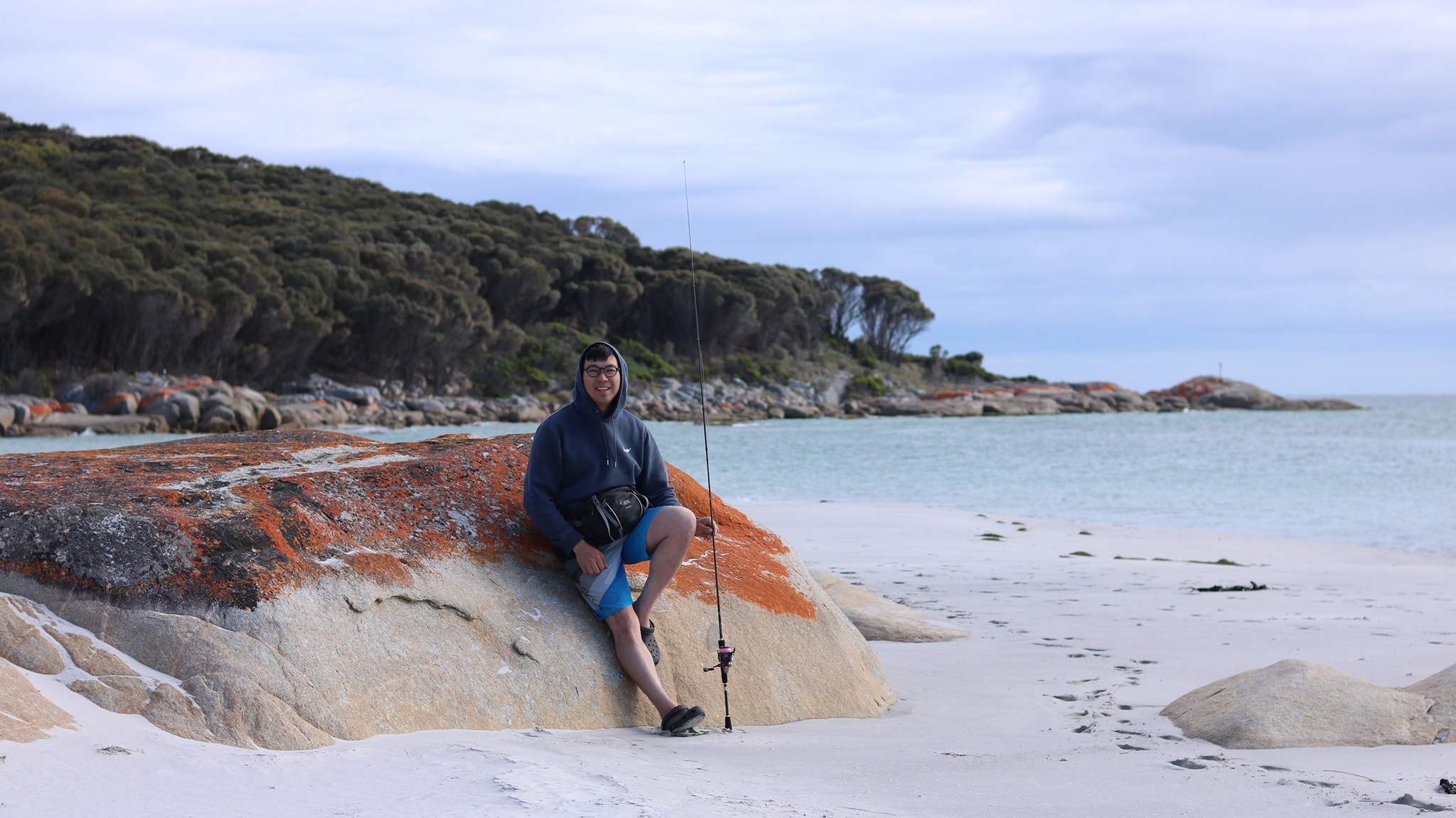
這些岩石之所以呈現出橘紅色,是因為表面覆蓋了一種名為地衣(Lichen)的微生物。它們與花崗岩結合,在陽光與海風的洗禮下,展現出宛如火焰燃燒般的視覺奇景。
這裡不只是攝影愛好者的天堂,更是散步、靜心與感受大自然能量的絕佳地點。每當日出或日落時,整片海岸仿佛被點燃,難怪它被譽為「世界最美未被破壞的海岸線之一」。
📸 別忘了帶上相機,記錄這片紅岩白沙的浪漫詩意!
🔶 紅色石頭的來源與形成結構
1. 紅色不是岩石本身的顏色
這些石頭本身主要是花崗岩(Granite),原本呈灰白或淡粉色。
2. 紅色來自地衣(Lichen)
那鮮紅或橘紅色的部分實際上是由一種叫做**地衣(lichen)**的微生物覆蓋在岩石表面造成的。
- 地衣是一種真菌與藻類共生體,能夠在極端環境中生存。
- 在Bay of Fires這個海岸地區,地衣喜歡附著在岩石表面,尤其是陽光充足且濕氣適中的地方。
- 紅橘色的地衣主要是Caloplaca屬的種類,它們含有某些色素(如parietin),使岩石表面呈現出鮮明的色彩。
3. 花崗岩的地質背景
Bay of Fires 的花崗岩形成於約4億年前,是古老地殼運動與火成岩活動的結果。這些岩石:
- 通常堅硬抗風化
- 經過長年海浪侵蝕與風化,形成圓滑的外型
- 表面粗糙,適合地衣附著
4. 會改變顏色的「紅色石頭」
很多人以為紅色的地衣是固定的,但其實這種地衣(例如Caloplaca)會因為濕度、陽光、鹽分與氣溫變化而改變色澤!
- 晴天乾燥時:紅橘色鮮明、接近火焰色
- 潮濕或陰天時:轉為暗紅甚至偏棕色
- 清晨與黃昏光線下:會呈現金橘色或帶粉紅調
🔥 真正的「火焰」其實是來自原住民
雖然許多人以為「Bay of Fires」是因為紅色岩石而得名,但真正的命名來自1773年英國探險家 Captain Tobias Furneaux。
當他在海上航行經過這片海岸時,發現海岸線上有許多煙霧與火光,那是當地原住民帕拉瓦人(Palawa)在海岸點火做飯、取暖、進行儀式的營火,因此他將此地命名為「Bay of Fires」。
👉 這代表這裡不只是自然景觀,更是一個見證原住民早期生活與智慧的文化地標。
✅ 推薦整理表格
| 類型 | 網站名稱 | 內容特色 |
|---|---|---|
| 官方 & 區域旅遊 | Tourism Tasmania | 全州官方資訊、活動公告、推薦景點 |
| 在地區域組織 | East Coast Tasmania Tourism (ECTT) | 東海岸特有景點、產業支援、社區資源 |
| 匯整指南 | East Coast Tasmania – Just Stop | 景點簡介、旅遊路線、地圖互動 |
| 自駕/路線規劃 | East Coast Tasmania Road Trips | 精準自駕行程、休憩點、觀景路線 |
| 深度導覽 | Tasvanlife / Tasmania Trails | 行程安排、吃住情報、小眾體驗推薦 |
🌐Tourism Tasmania 官方網站: https://www.discovertasmania.com.au/
🌐East Coast Tasmania 官方網站: https://eastcoasttasmania.com/
English version 1.0
📍 Bay of Fires – Tasmania’s Fiery Coastline of Lichen-Coloured Rocks
Discover one of Tasmania’s most visually stunning coastlines — the Bay of Fires. This region is famous for its bright orange boulders, pristine white sand beaches, and crystal-clear waters.
But did you know? The iconic red-orange hue isn’t from the rock itself — it’s caused by a natural lichen growing on the granite surface. These vibrant microorganisms thrive in the coastal air, creating the illusion that the rocks are glowing like flames.
Originally named by explorer Captain Furneaux in 1773 after seeing Aboriginal campfires along the shore, the Bay of Fires is now a top spot for photography, walking, and nature appreciation.
📸 Don’t miss the chance to capture the magical contrast of fiery rocks and turquoise seas — sunrise and sunset are especially breathtaking.
🔶 Origin and Formation of the Red Rocks
- The red color isn’t from the rocks themselves
The iconic rocks at Bay of Fires are primarily granite, originally pale grey or light pink in color.
- The red comes from lichen
The bright red and orange hues you see are actually caused by a type of microorganism called lichen that grows on the surface of the rocks.
Lichen is a symbiotic organism made up of fungi and algae, capable of surviving in extreme environments.
In the Bay of Fires region, lichen thrives on rock surfaces, especially in sunny and moderately humid coastal conditions.
The orange-red lichen here mostly belongs to the Caloplaca genus, which contains pigments such as parietin, giving the rocks their fiery appearance.
- Geological background of the granite
The granite found at Bay of Fires formed about 400 million years ago through ancient tectonic activity and volcanic processes. These rocks are:
- Hard and resistant to erosion
- Smoothed over time by wind and waves
- Rough-textured, making them ideal for lichen growth
- Color-changing “red rocks”
Many people assume the red lichen stays the same color all the time — but in fact, species like Caloplaca change color depending on moisture, sunlight, salt levels, and temperature.
- On dry, sunny days: they appear bright orange, almost flame-like
- When damp or overcast: they turn dark red or even brownish
- At sunrise and sunset: they take on golden-orange or pinkish tones
🔥 The Real “Fires” Came from Aboriginal Campfires
Although many believe the name “Bay of Fires” comes from the red rocks, it was actually named in 1773 by British explorer Captain Tobias Furneaux.
While sailing past the northeastern coast of Tasmania, he saw smoke and flames rising along the shore — these were campfires lit by the local Palawa people, used for cooking, warmth, and ceremonial purposes.
👉 This means the Bay of Fires is not just a stunning natural wonder — it’s also a cultural site that bears witness to the ancient wisdom and presence of Tasmania’s First Nations people.
✅ Recommended Website Overview (English Version)
| Category | Website | Highlights |
|---|---|---|
| Official & Statewide | Tourism Tasmania | Official statewide tourism info, events, and destination guides |
| Regional Tourism | East Coast Tasmania Tourism (ECTT) | Local attractions, community support, and regional experience recommendations |
| General Guide | East Coast Tasmania – Just Stop | Overview of highlights, must-see spots, interactive maps |
| Road Trip Planner | East Coast Tasmania Road Trips | Scenic self-drive routes, lookouts, rest stops, and travel maps |
| In-Depth Guides | Tasvanlife / Tasmania Trails | Suggested itineraries, accommodation, food, hidden gems, and travel tips |
🌐Tourism Tasmania Official Website: https://www.discovertasmania.com.au/
🌐East Coast Tasmania Official Website: https://eastcoasttasmania.com/