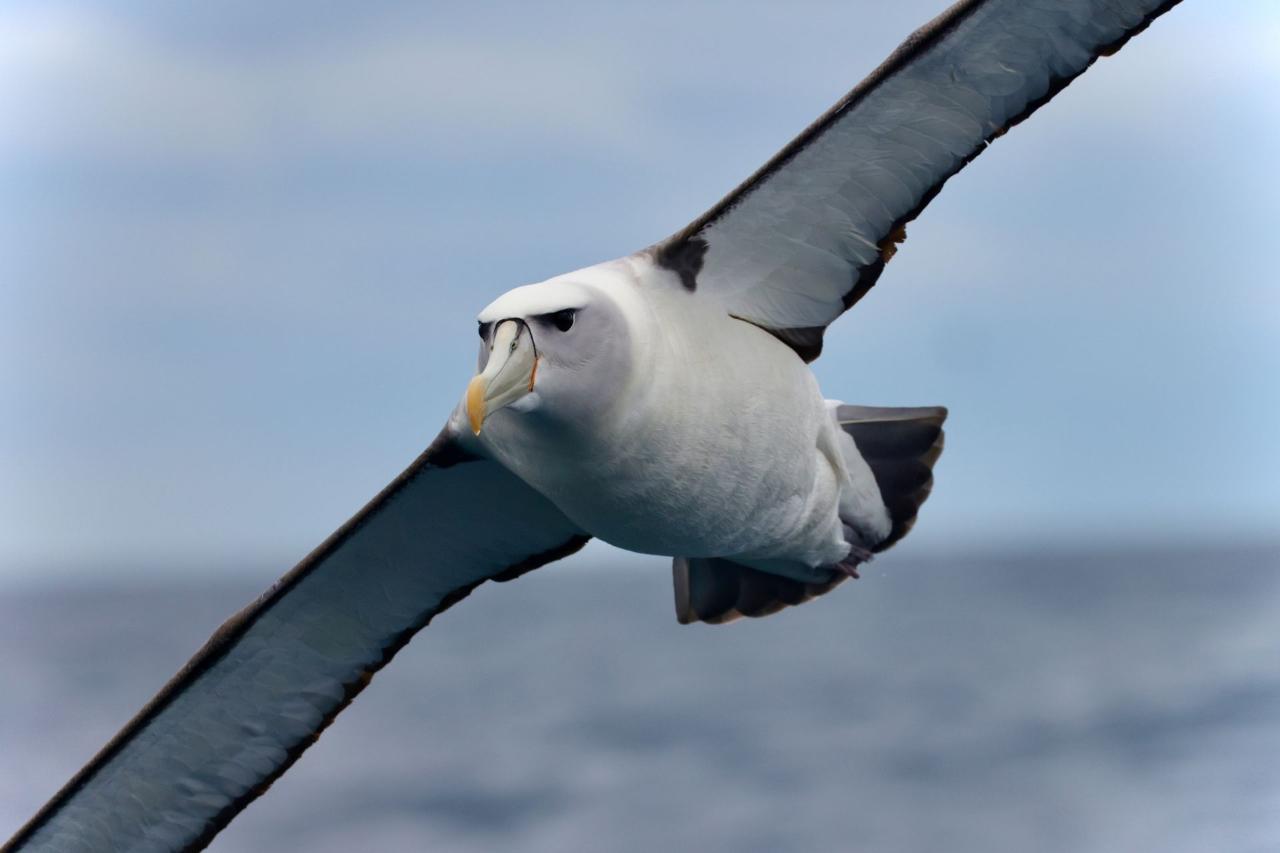
其實南極冰洋的信天翁,一生就在「為風而活」。
像漂泊信天翁這種鳥,幾乎整輩子都待在南冰洋上空飛行。牠們很少拍翅膀,而是靠著強勁的海風滑翔,一飛就是幾千公里。有些甚至一年可以繞整個海洋好幾圈,真的就是在「環遊世界」的感覺。
那牠們什麼時候才會回到陸地?答案是——只有談戀愛跟養小孩的時候。牠們會回到像麥覺理島這種很偏遠的小島,而且通常是一輩子只認一個伴侶。更特別的是,每次只養一隻寶寶,而且養超久,差不多要將近一年,小鳥才會準備好離開。
平常牠們吃什麼?主要是海面附近的魷魚、魚,還有磷蝦。牠們的嗅覺其實很厲害,可以在超大的海域中找到食物,這點真的滿讓人佩服的。
壽命方面也很驚人,很多信天翁都可以活到50年以上。不過牠們的生活其實沒有想像中那麼浪漫,南冰洋的天氣很兇,加上人類的漁業活動(像延繩釣),都可能對牠們造成威脅。
簡單講,信天翁的一生就是——大部分時間在飛,很少停下來;一旦停下來,就是為了最重要的事情。
是一種很孤獨,但也很自由的存在。
🌊 最佳觀賞季節(大致是9月~次年3月)
這段時間通常是最容易看到的,原因很簡單:
- 春夏是牠們的繁殖季
- 成鳥會頻繁在海上覓食、往返繁殖地(例如麥覺理島)
- 塔斯馬尼亞周邊海域(尤其南部、東南外海)活動會比較活躍
👉 對觀光來說,11月~2月(夏季)最穩定,天氣也相對適合出海。
🌬️ 秋冬(4月~8月)會比較少嗎?
其實不一定「沒有」,但會比較分散:
- 很多信天翁會進入長距離覓食與漂流階段
- 有些會往更南或更遠的洋面移動
- 在塔斯附近看到的機率比較看運氣與風況
👉 反而有時候強風過後,在岸邊(像南部海岸、懸崖)有機會看到牠們滑翔。
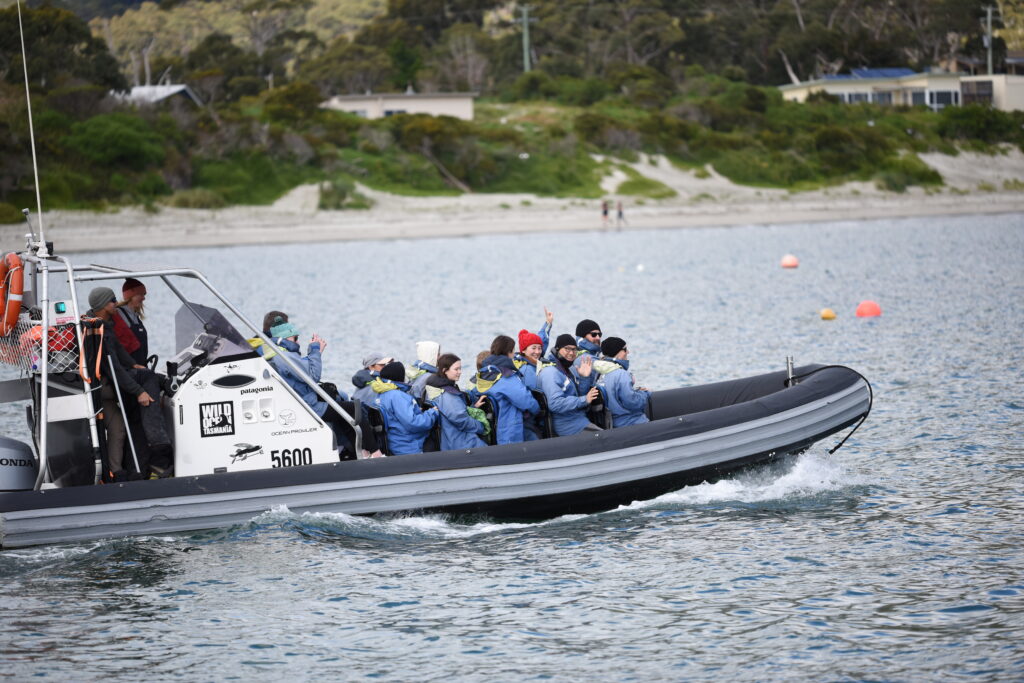
如果你們喜歡自然,喜歡大海的朋友們。不妨下一次來塔斯馬尼亞旅遊時,可以搭乘Wild Ocean Tasmania的海上探險行程。
#來塔斯馬尼亞一定要做的一件事 #wildoceantasmania #海上探險 #追逐自由的天空與海洋
English Version 1.0
Life for an albatross in the Southern Ocean is built around wind, distance, and patience.
Species like the Wandering Albatross spend most of their lives at sea, gliding over vast stretches of the Southern Ocean. They are masters of “dynamic soaring,” using powerful winds to travel thousands of kilometres with barely a wingbeat. Some individuals circle the ocean multiple times in a single year.
They only return to land to breed—often on remote islands such as Macquarie Island. Even then, life moves slowly. Albatrosses form long-term pair bonds, sometimes for life, and raise just one chick at a time. Parenting is a shared effort: one partner forages far out at sea while the other guards the nest. A single chick can take close to a year before it’s ready to fly.
Food comes from the open ocean—squid, fish, and krill—often snatched from the surface. Their keen sense of smell helps them locate prey across immense distances.
It’s a long-lived life. Many albatrosses can live over 50 years. But it’s not an easy one—storms, changing oceans, and human threats like longline fishing all pose risks.
In simple terms, an albatross’s life is mostly sky and sea: years of silent flight, rare returns to land, and a deep, almost poetic dependence on the wind.
🌊 Best Viewing Season (roughly September to March)
This is generally the easiest time to spot albatrosses, and the reasons are quite simple:
- Spring and summer are their breeding season
- Adults frequently forage at sea and travel back and forth to breeding sites (such as Macquarie Island)
- Waters around Tasmania—especially the southern and southeastern offshore areas—tend to be more active
👉 From a tourism perspective, November to February (summer) is the most reliable period, with more stable weather and better conditions for boat trips.
🌬️ What about autumn and winter (April to August)?
It’s not that they disappear, but they do become more spread out:
- Many albatrosses enter a long-distance foraging and drifting phase
- Some move further south or out into more remote ocean areas
- Sightings around Tasmania become more dependent on luck and wind conditions
👉 Interestingly, after strong winds, you may have a chance to spot them gliding near coastal cliffs along the southern coastline.
Contact Wild Ocean Tasmania if you are an ocean lover or a nature lover. They offer an immersive ocean expedition and a quality small-group tour in the Tasman Sea.
#A Must-Do Tour In Tasmania #WildOceanTasmania #Oceanmaster